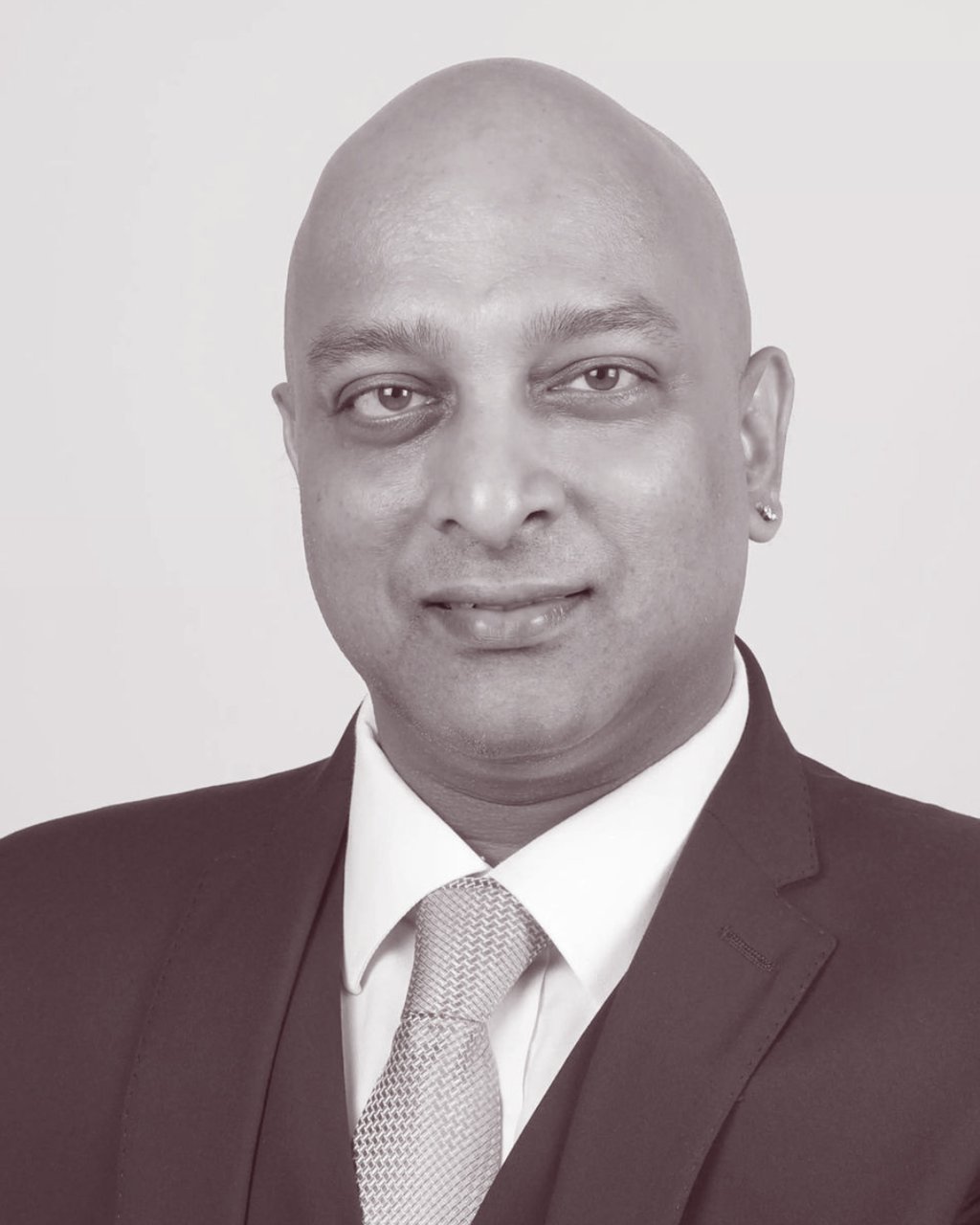

Dr. Prashant Mali is a cyber-law practitioner and the author of Cyber Law & Cyber Crimes, a textbook-grade reference used by law and MBA students that covers data theft, hacking, e-commerce, intellectual property, and digital forensics in more depth than any single conversation could. In discussion with Shweta's Talkies, Mali trades the usual generic online-safety advice for mechanism-level detail: how biometric fingerprint fraud is actually executed, the roughly thirteen-second audio sample now sufficient to convincingly clone a voice, and the precise escalation path available to a fraud victim in India — the 1930 cybercrime helpline, the cybercrime.gov.in portal, the victim's bank, and finally the RBI Ombudsman if the bank itself fails to resolve the complaint. The conversation's legal core is India's emerging personality-rights doctrine, built case by case by courts — including rulings involving Jackie Shroff and Arijit Singh — in the near-total absence of dedicated legislation, alongside the Digital Personal Data Protection Act of 2023, India's first comprehensive data-protection law. Mali frames both as reactive scaffolding, arriving after rather than before the technology they now attempt to govern — a structural pattern that runs beneath every example in the conversation: India built world-leading digital infrastructure, from Aadhaar to UPI, faster than it built the legal recourse to protect the people using it. The discussion closes on practical ground: what cyber insurance could look like in India, what a compromised phone actually looks like from the inside, and what individual precautions meaningfully reduce risk versus which ones are largely theater. Recorded as part of Shweta's Talkies' coverage of law, technology, and the gap between digital convenience and digital protection.