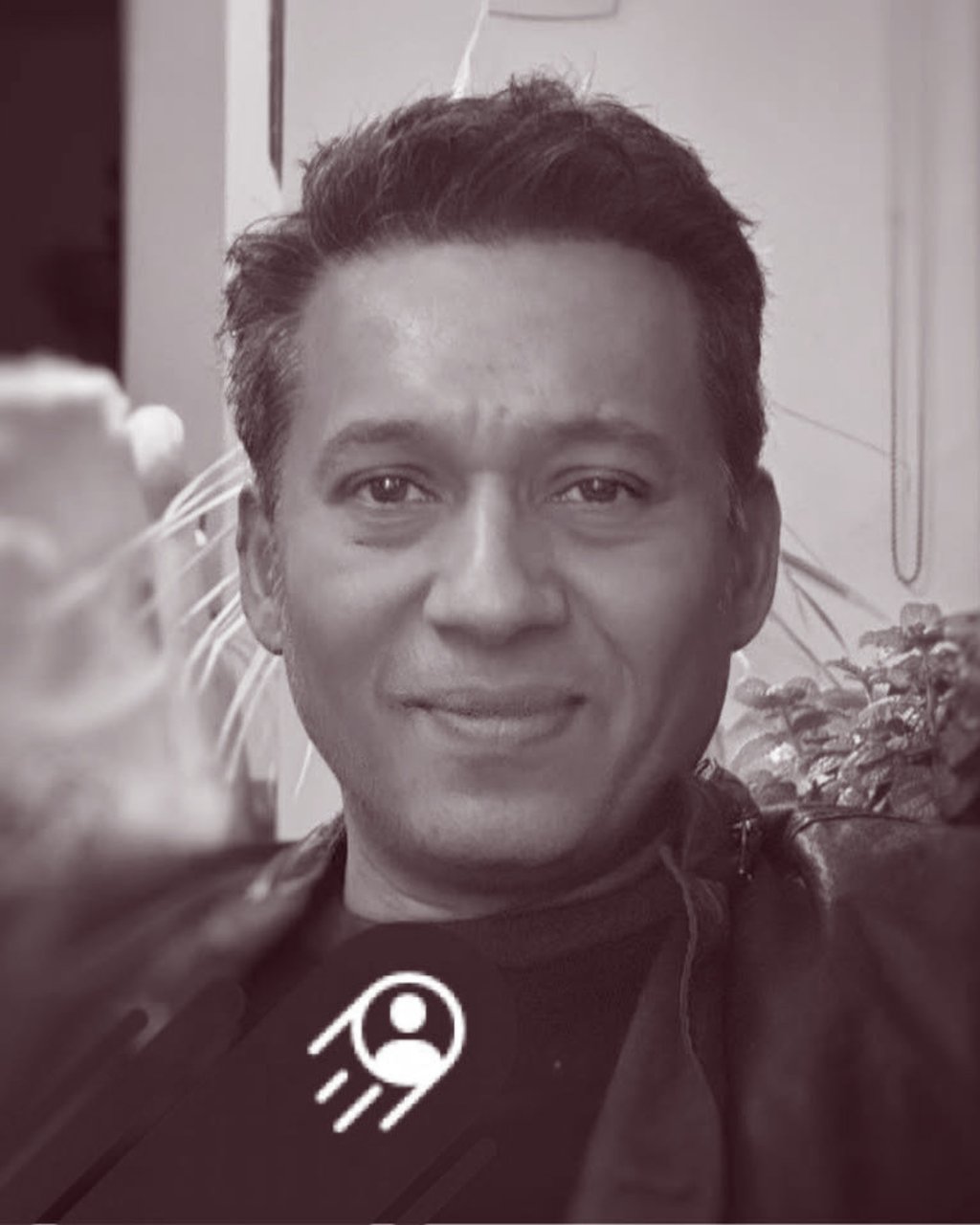

Hidayat Husain Khan is the seventh generation of an unbroken line of sitar players descending from Imdad Khan, through his grandfather Inayat Khan and his father, the celebrated sitarist Vilayat Khan — one of the most influential musicians of the twentieth century and the architect of the gayaki ang, a vocal-style approach to instrumental playing developed partly in response to the arrival of amplification and larger concert venues in the 1950s. In conversation with Shweta's Talkies, Khan speaks candidly about what it means to carry a name that carries an entire tradition, and about a household where affirmation from a parent as accomplished as his father was rare, and where he has come to see that restraint as a value rather than a wound. The conversation's most contemporary material concerns artificial intelligence: Khan recounts encountering an AI-generated recording convincing enough to fool him, and situates the moment within a longer pattern — Indian classical music has absorbed disruptive technology before, from microphones to recording, without losing its lineage-based transmission model, and he expects the tradition to metabolize this newest disruption in much the same way. He is equally direct about the economics of his profession, describing how real-terms performance fees for top-tier classical artists have declined over the past fifteen to twenty years, even as he acknowledges his own relative good fortune within that same system. Khan also discusses "Jai Hind, India," his reimagined recording of the national anthem released around Republic Day 2025, and reflects on a career built as much in small-town auditoriums as international concert halls — an artist, in his own words, more interested in sensibility than age. Recorded as part of Shweta's Talkies' coverage of India's living gharana traditions and the artists carrying them forward.