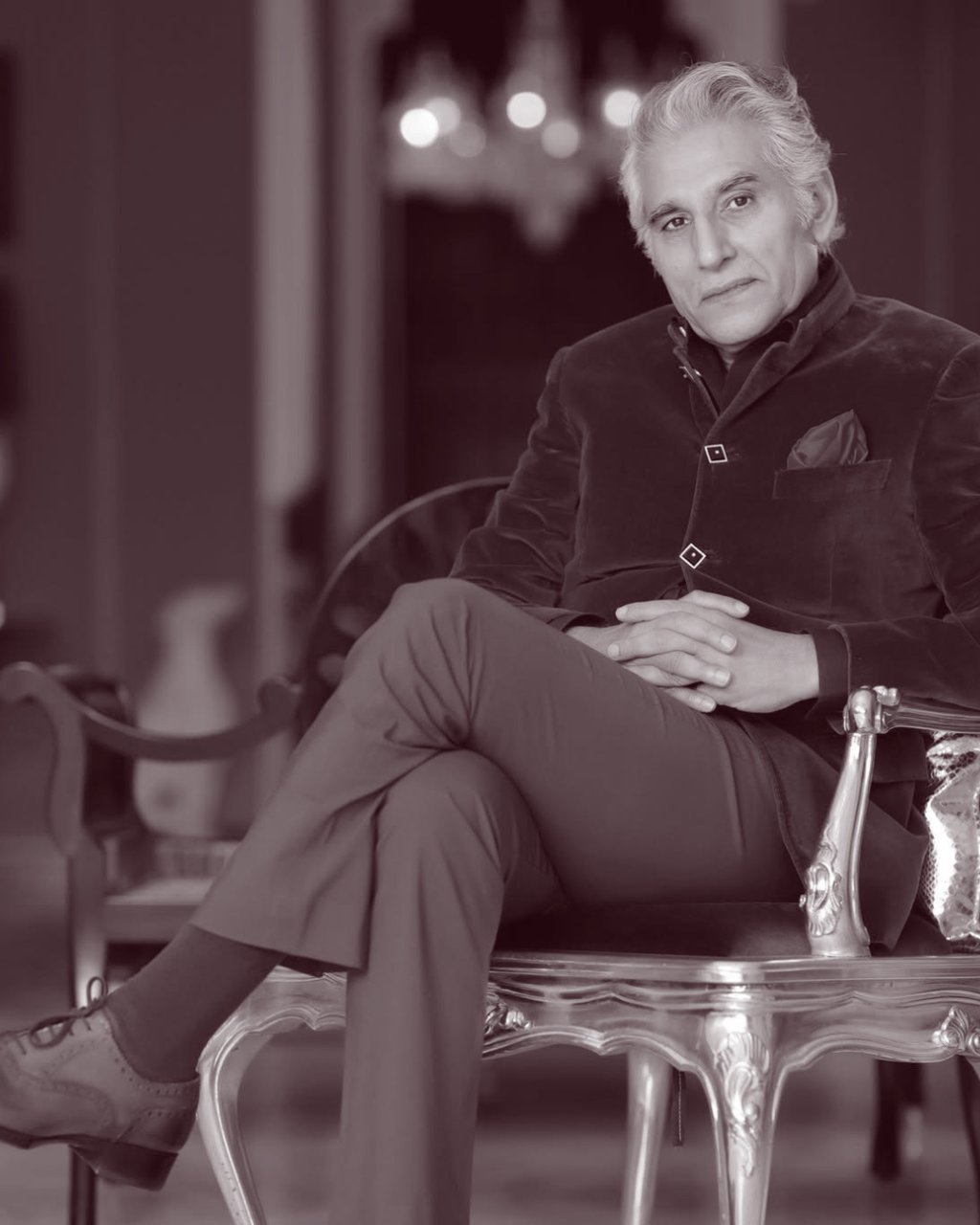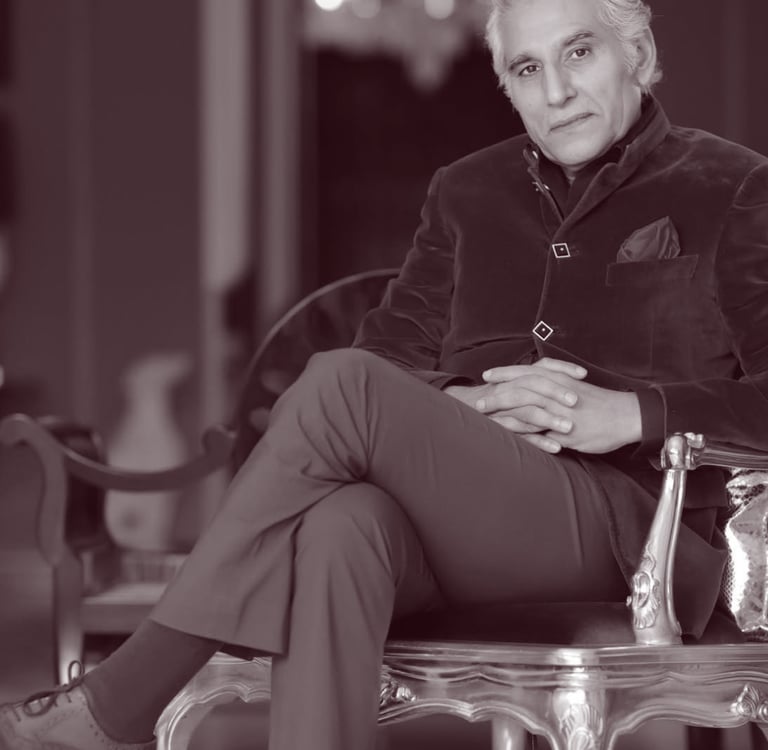

Navin grew up heir to his family's ancestral landholdings in Ferozepur, Punjab — the "84 villages" of the episode's title — and was educated at the Lawrence School, Sanawar, founded in 1847 as Asia's oldest co-educational boarding school. In conversation with Shweta's Talkies, he traces a decline that unfolded across two overlapping timelines: a hedonistic phase in 1970s Delhi's disco-era nightlife, and, in parallel, a "gentleman farmer" period on his family's Punjab land that curdled, as the 1980s wore on, into the Punjab insurgency itself — a period Navin describes living through directly, watching from his own terrace as the region his family's power depended on came apart. His account is unusually direct about what addiction actually took, and equally direct about something rarer: an admission that, for a long time, he preferred who he was while addicted to who he became sober. That reframing — recovery as identity substitution rather than simple restoration — runs through his description of rehabilitation in 1980s India, before the country had any real medical framework for addiction treatment, and his eventual recovery through a twelve-step program at a Bangalore facility. Navin situates his personal collapse against Punjab's own — his family's declining fortunes track almost exactly against the region's decline into militancy through the late 1980s and early 1990s, a connection he never states outright but that runs under the entire conversation. Now thirty-four years sober, he speaks as a businessman whose candor about privilege, denial, and rebuilding offers a rare first-person account of a largely undocumented social history: what happened to Punjab's landed gentry after independence, and what it actually costs a family, and a person, to come back from the bottom. Recorded as part of Shweta's Talkies' coverage of personal transformation and recovery.