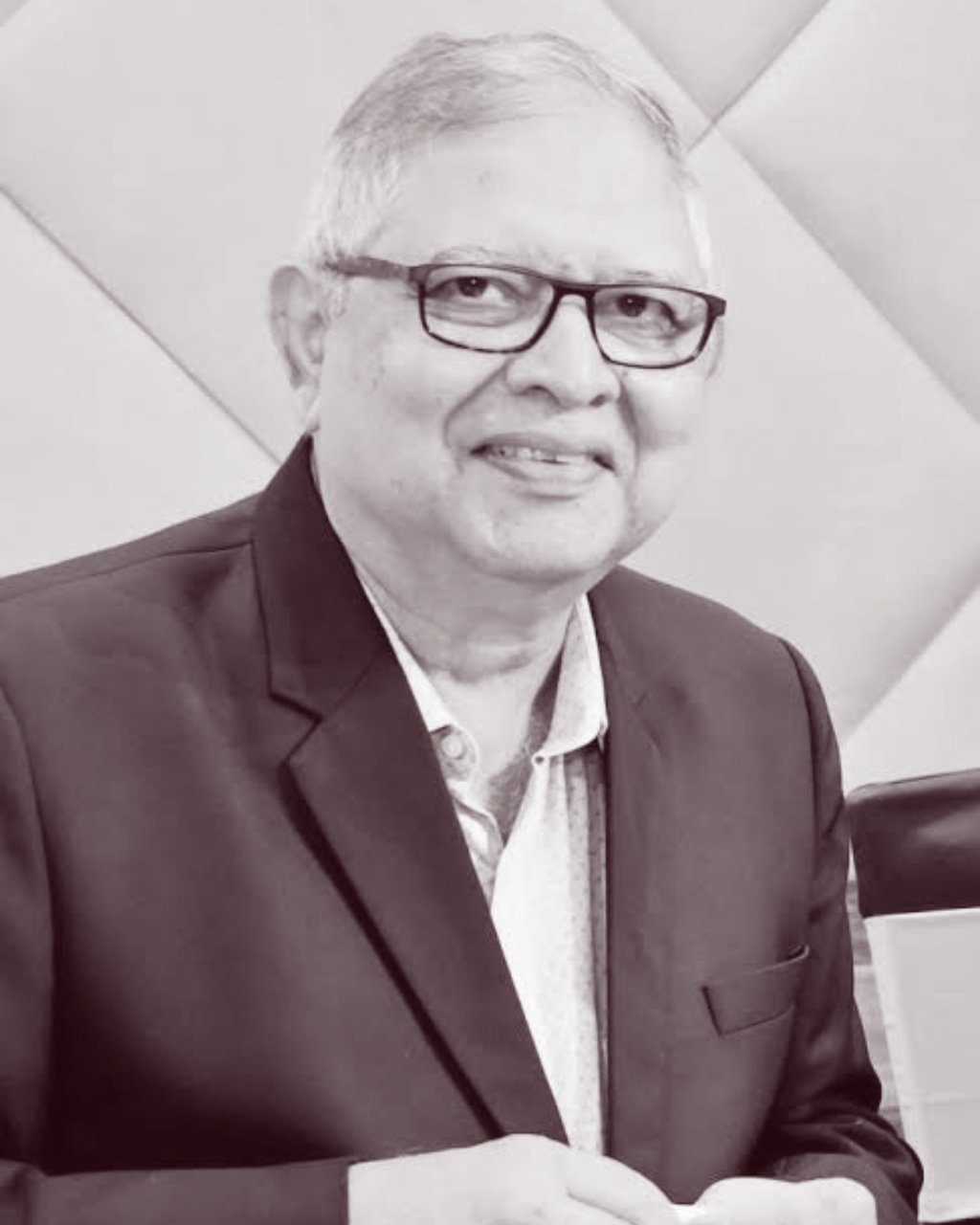
Ralph De Souza is Vice Chairman of the Goa Tourism Board, a position that makes him simultaneously the state's chief promoter and, in this conversation with Shweta's Talkies, one of its more candid critics. De Souza opens with history: Goa was captured by Afonso de Albuquerque in 1510 — not in a single decisive stroke, as popular telling often has it, but in two stages, an initial unopposed entry followed by loss and forcible reconquest that same year — beginning 451 years of Portuguese rule, among the longest-running European colonial holdings in Asia, administered from Goa as the capital of an empire that once stretched to Mozambique and Macau. De Souza is especially interested in how that history shaped temperament rather than just architecture. He frames susegad, Goa's famous unhurried disposition, not as an inherited personality trait but as something closer to an environmental effect — a rhythm shaped by proximity to the sea and the coconut groves that structure daily Goan life. He traces a similar logic through Goan cuisine: bebinca, the layered dessert with roots in convent kitchens, and cafreal, the spiced chicken dish carrying African culinary influence via Goa's Portuguese-colonial trade network — both examples of imported forms locally adapted under material constraint until they became more authentically Goan than whatever they started as. The conversation's sharpest turn is policy, not history: De Souza argues against unchecked concretization of the coastline and makes the case for grants supporting heritage-home restoration and homestays over new construction — a genuinely contrarian position for a tourism-board official to state on record, and the episode's most quotable, press-ready material. Recorded as part of Shweta's Talkies' Heritage series, this episode follows an insider's account of a state caught between its colonial past, its tourism-driven present, and an uncertain path forward.