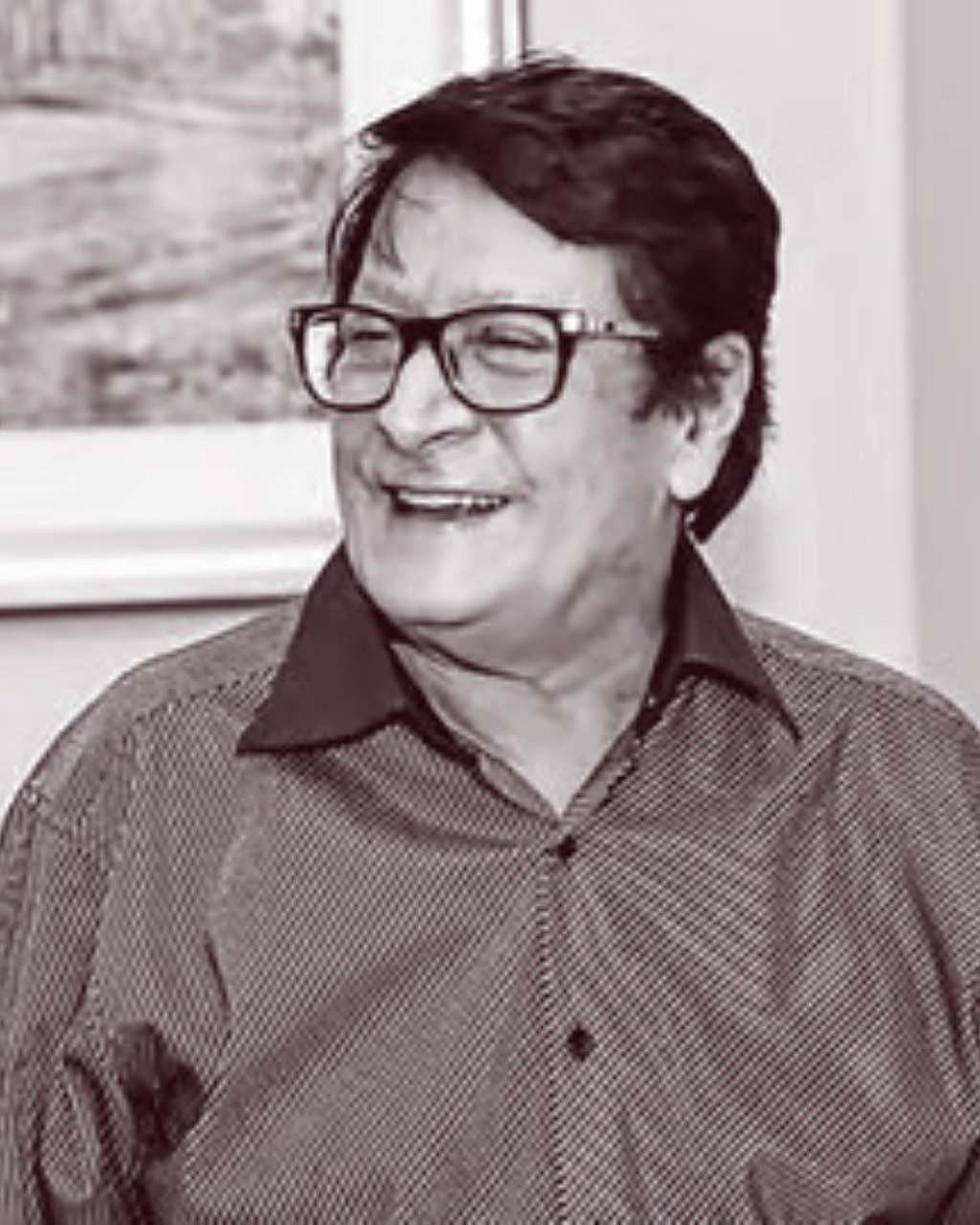
Ranjit Malik sits at the center of India's vintage car trade — a dealer and curator whose clients, by his own account, include nearly everyone in the country who has ever bought a Rolls-Royce. In conversation with Shweta's Talkies, Malik walks through three vehicles from his working collection, each built within a tight eight-year window between 1929 and 1937: a Rolls-Royce Phantom III, representing the last flowering of bespoke, coachbuilt British luxury before the Second World War; a Cadillac V16, built for the open display of wealth at the tail end of the Gilded Age; and a LaSalle, General Motors' mass-luxury companion marque. Together the three trace how three different national industries responded to the same interwar moment in strikingly different registers. Malik is direct about what restoration actually requires: provenance and originality above all, a philosophy he sums up bluntly as "jugaad kills it" — a rejection of the improvised workaround that defines so much of Indian mechanical culture, in favor of doing it exactly right, at whatever cost. That cost is real: he cites a labor-cost gap between skilled restoration work in the United States and in India wide enough to reshape where serious collectors choose to have work done. Unlike many custodians of vanishing physical heritage, Malik's story is not one of a dying craft — his son Vikram is already active in sourcing and negotiating deals internationally, a rare, on-record example of successful generational transfer inside a field usually defined by loss. It gives the conversation a hopeful register uncommon in heritage-preservation content, which more often defaults to elegy. Recorded as part of Shweta's Talkies' ongoing coverage of Indians preserving vanishing categories of physical heritage against economic logic.